Episode 51 · 1:15:23
Gene Editing Pioneer: Why We Should Not Edit Human Embryos
Dr. Fyodor Urnov
Why a pioneer of genome editing says human embryos are the wrong place for CRISPR.


For millions of years, mankind lived just like the animals.
Then something happened which unleashed the power of our imagination.
We learned to talk...
Dr. Stephen Hawking and Pink Floyd
Episode 51 · 1:15:23
Dr. Fyodor Urnov
Why a pioneer of genome editing says human embryos are the wrong place for CRISPR.
Episode 50 · 1:23:42
Dr. Rizwan Virk
What would count as a glitch if the universe is being rendered.
Episode 49 · 1:30:11
Dr. Justin Garson
The experiment that gave LSD to people with schizophrenia, and what the record actually shows.
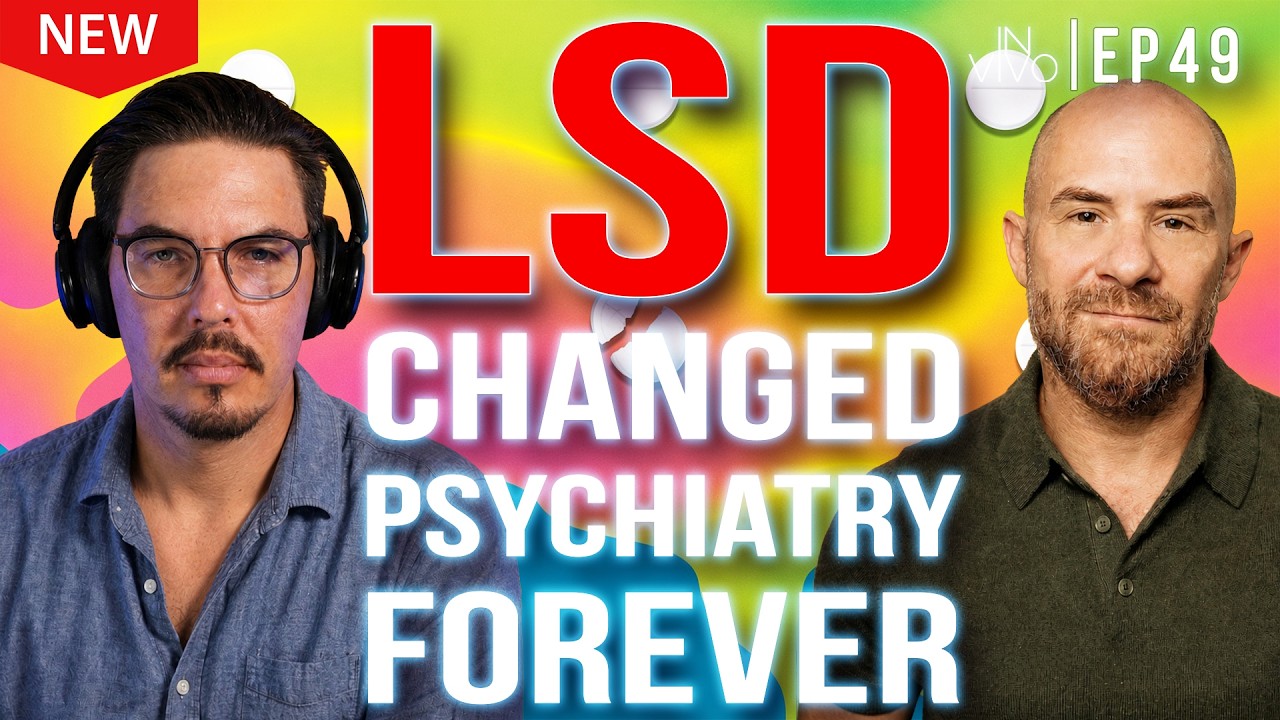
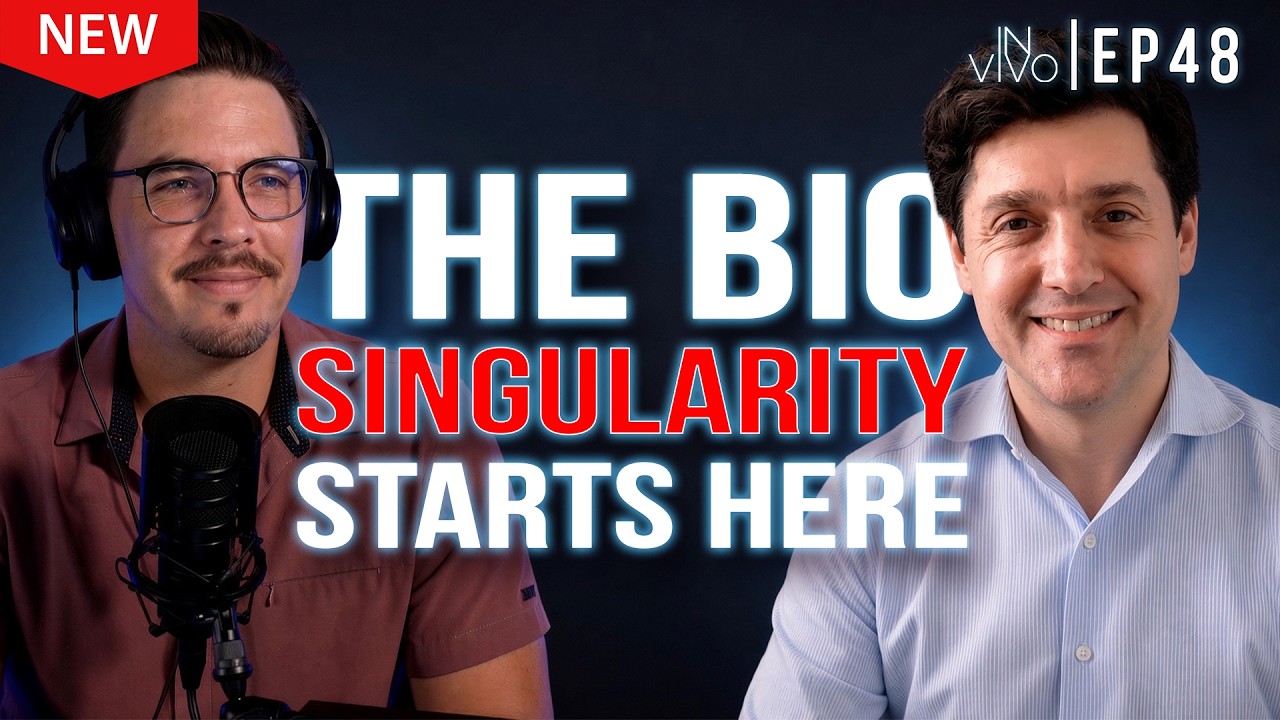
Episode 48 · 1:02:36
Dr. Jason Kelly
Why the biology bench barely moved in twenty years, and why an autonomous lab is closer to a Waymo than a subway.
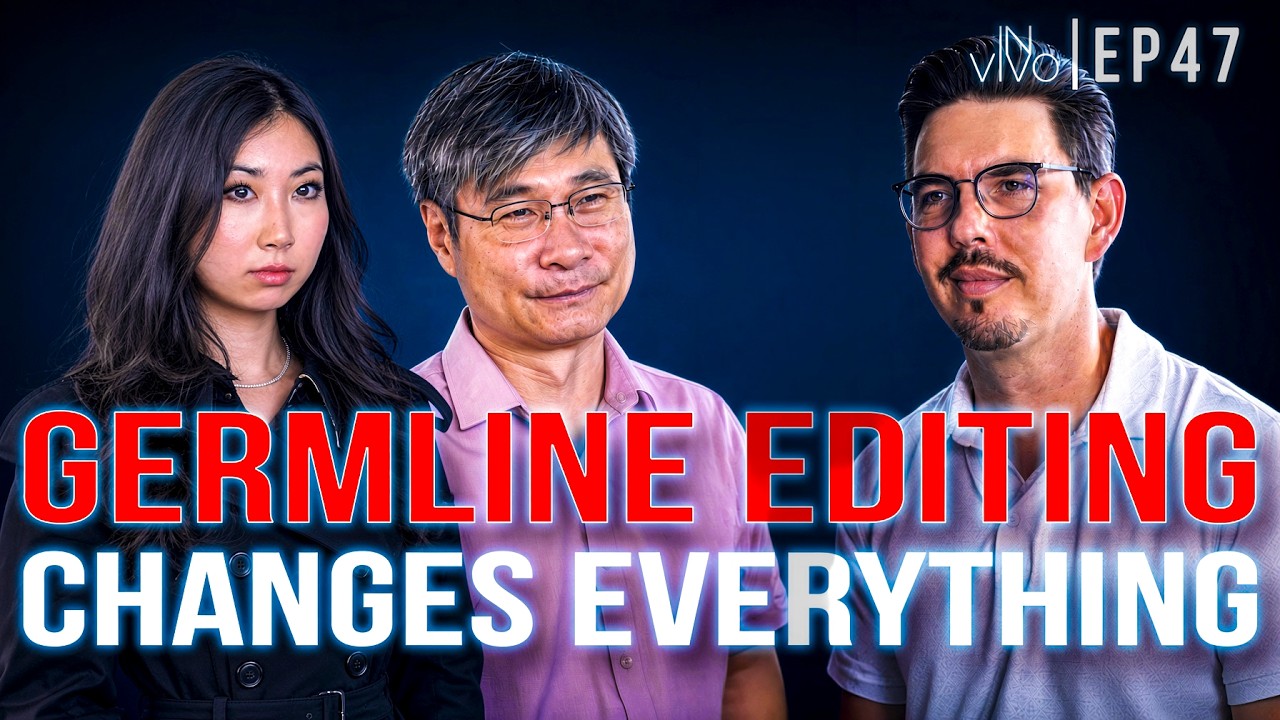
Episode 47 · 1:30:49
Cathy Tie and Prof. Jiang
Heritable gene correction, the delivery problem in adult therapies, and who goes first.
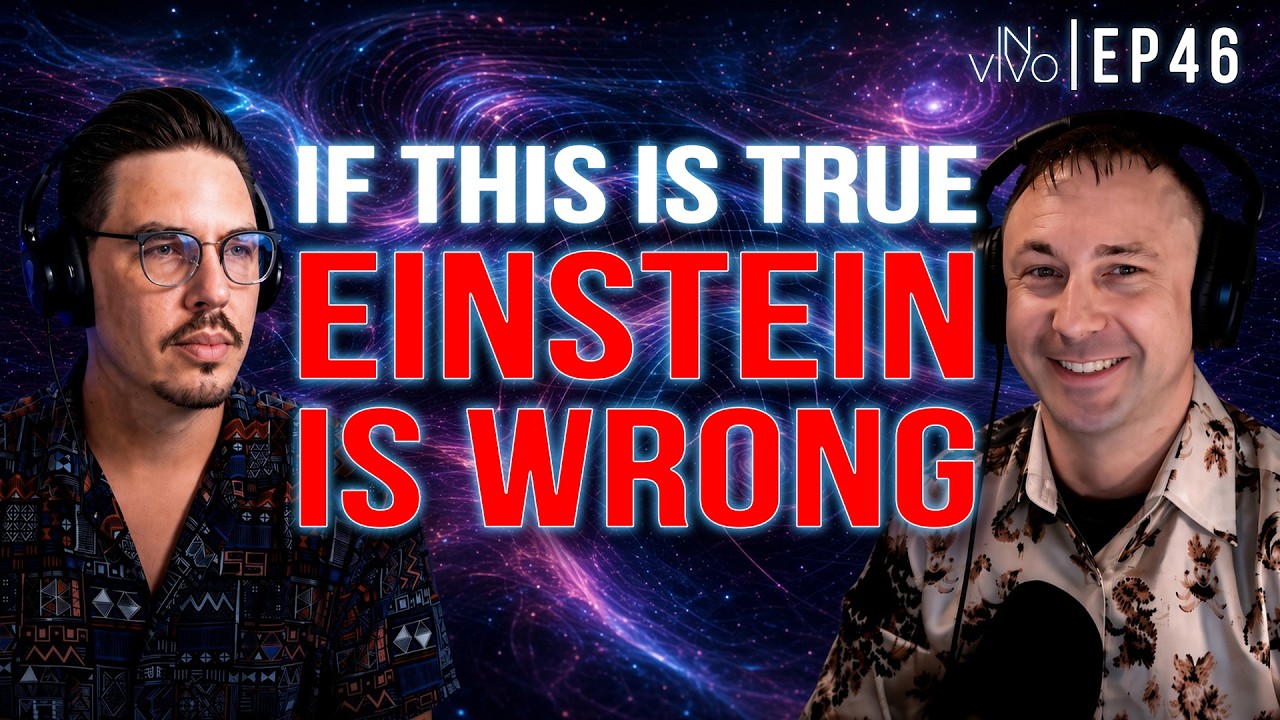
Episode 46 · 1:51:17
Jason Verbelli
A written test Einstein left: if the speed of light depends on the source, the structure falls.
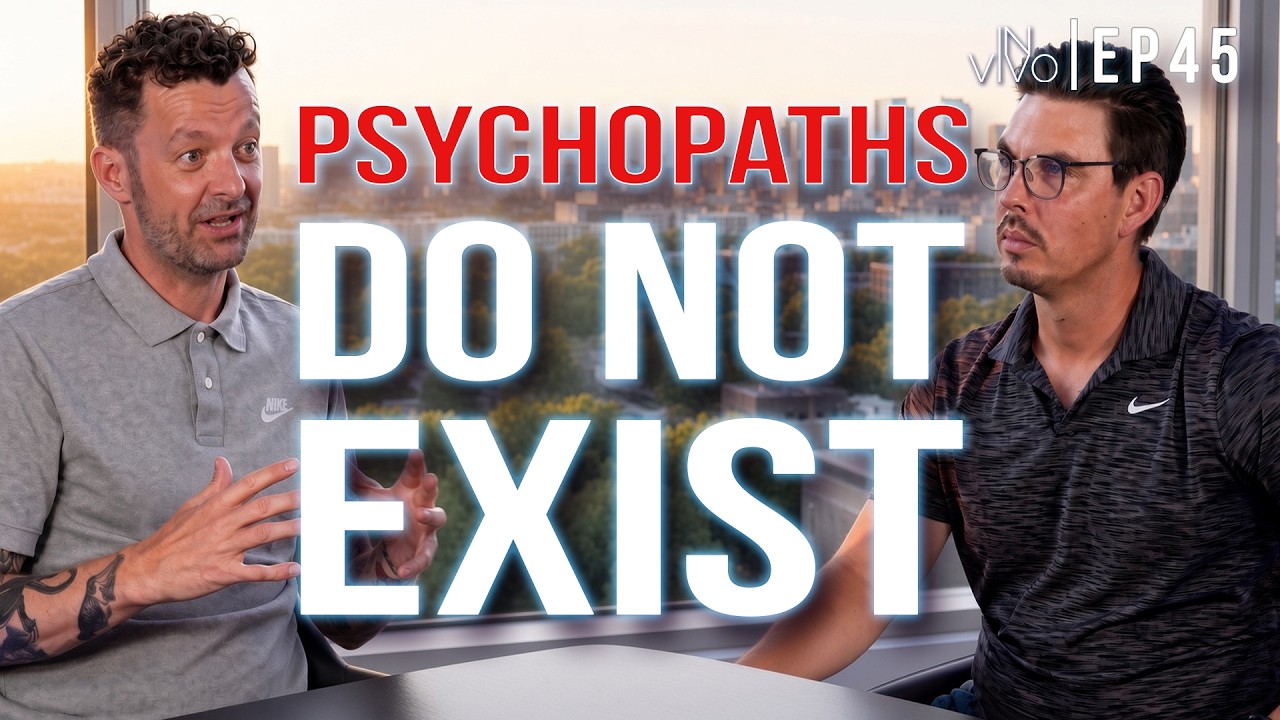
Episode 45 · 2:00:44
Dr. Rasmus Rosenberg Larsen
A diagnosis that outlived the evidence.
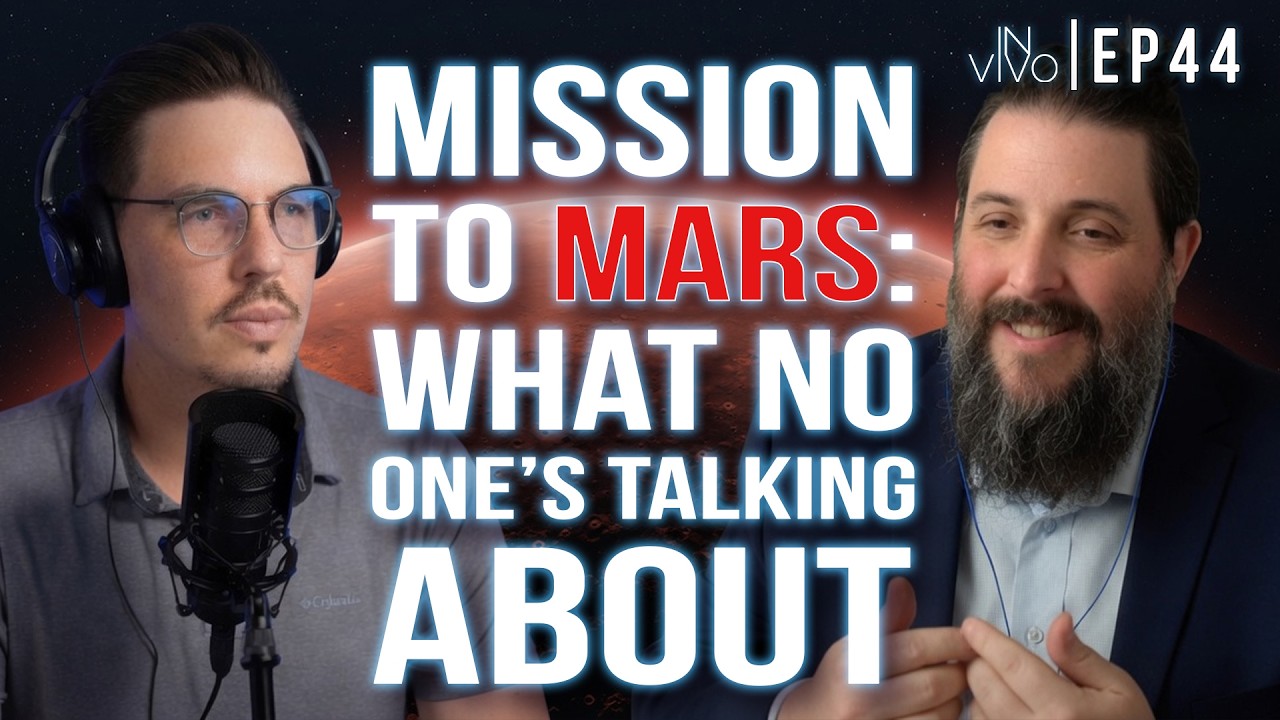
Episode 44 · 1:09:39
Ryan T. Scott
Rockets get a crew to Mars. This hour is the biology that decides whether anyone remains.
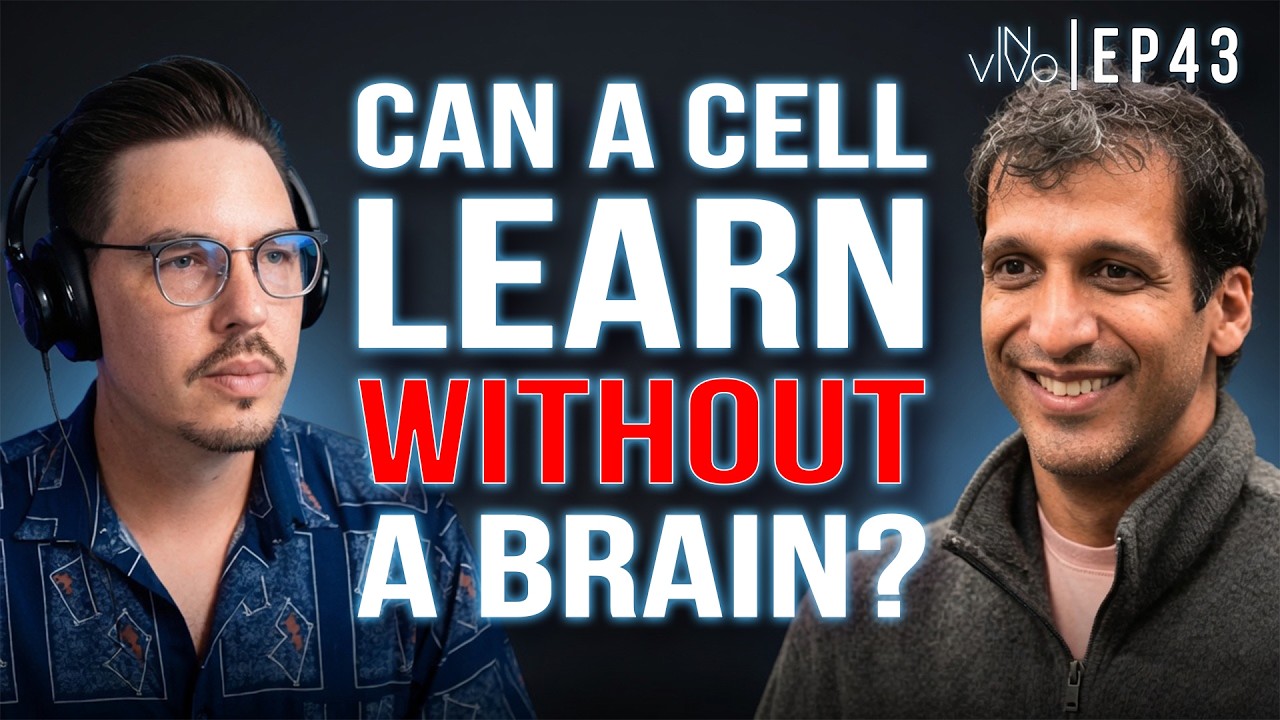
Episode 43 · 1:29:57
Dr. Arjun Raj
Learning and memory in a single cell, and what agency can mean before a nervous system.
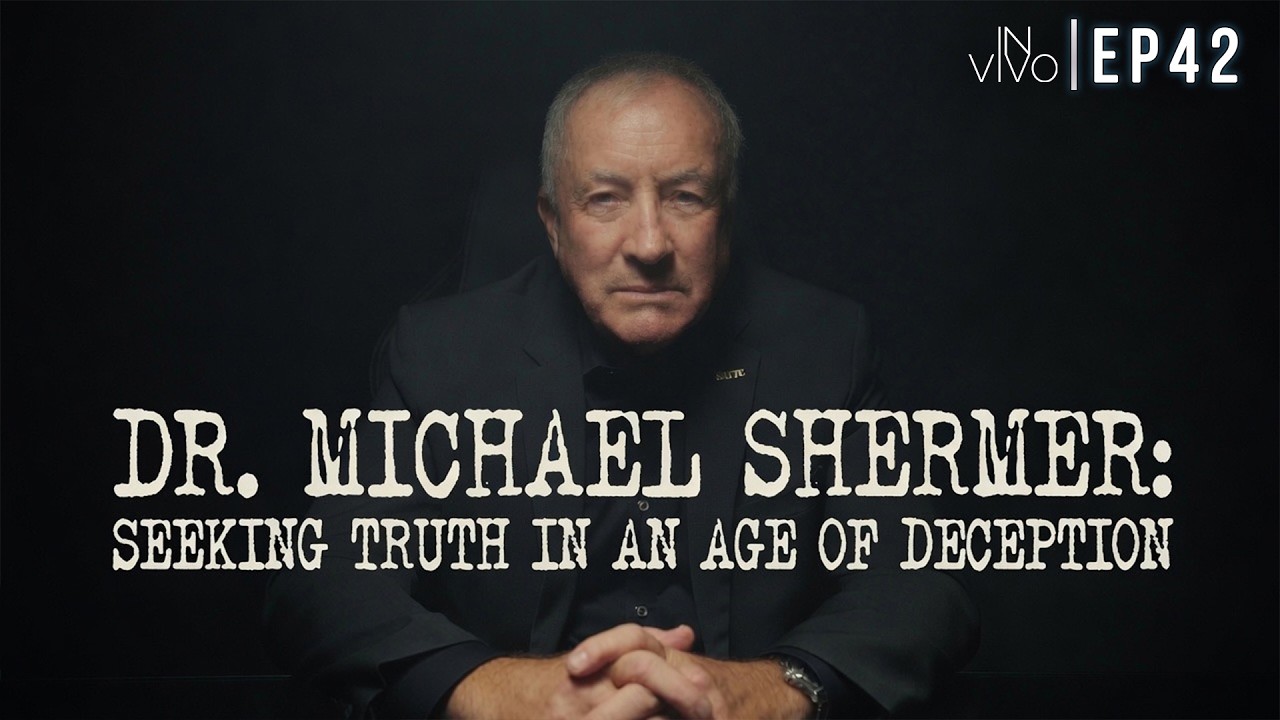
Episode 42 · 1:27:26
Dr. Michael Shermer
A case for the scientific stance when the culture would rather be certain than correct.
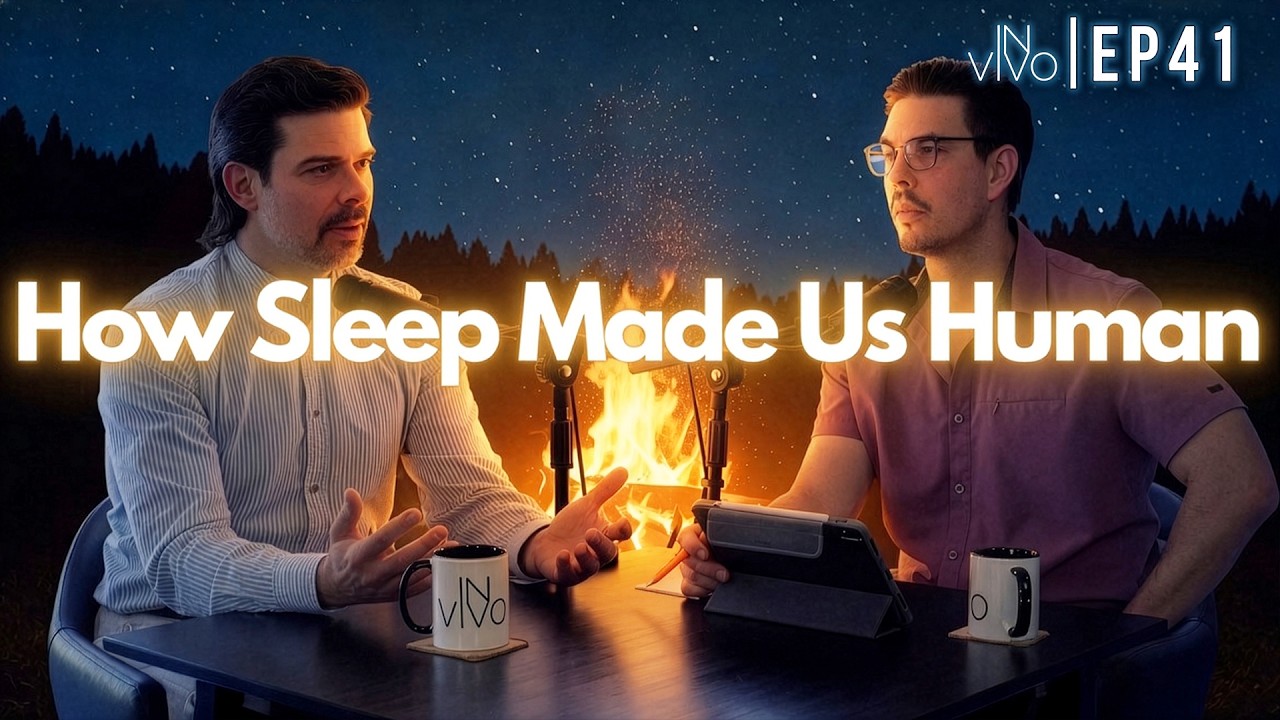
Episode 41 · 1:30:29
Dr. David R. Samson
How a shorter human sleep schedule may have opened room for the rest of the species.
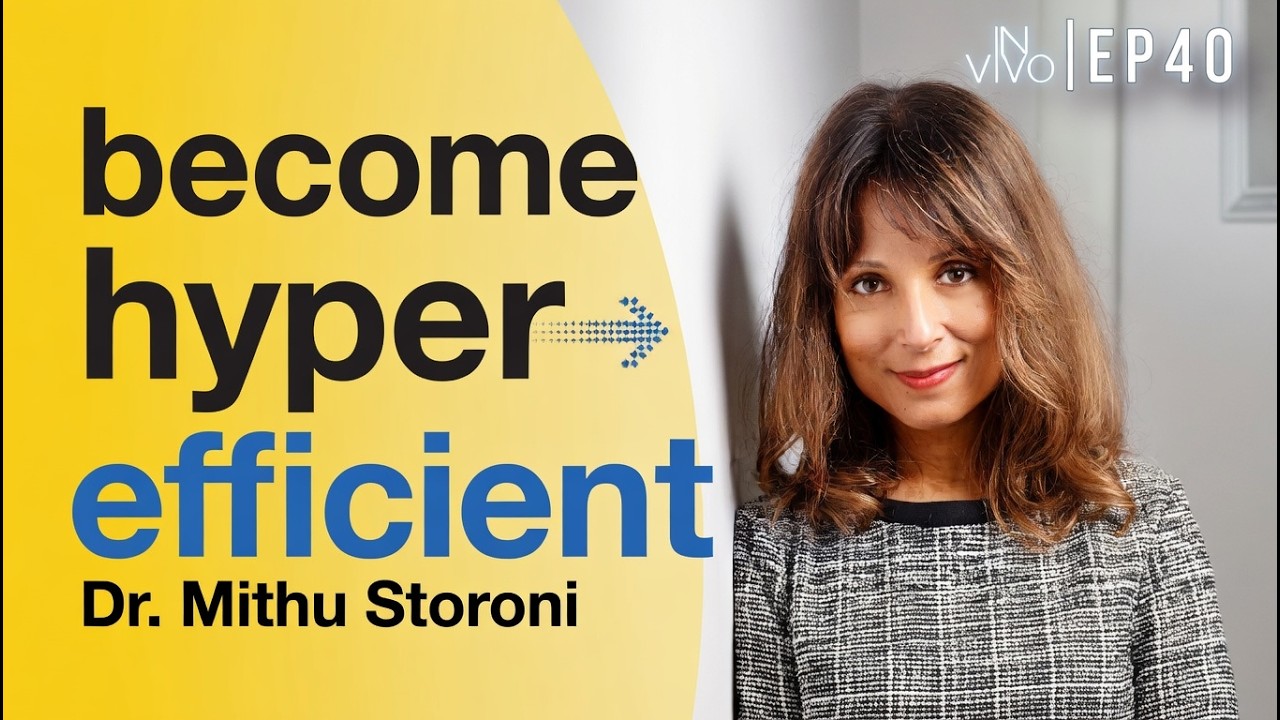
Episode 40 · 1:36:43
Dr. Mithu Storoni
How to match the work to the way a brain actually spends its energy.
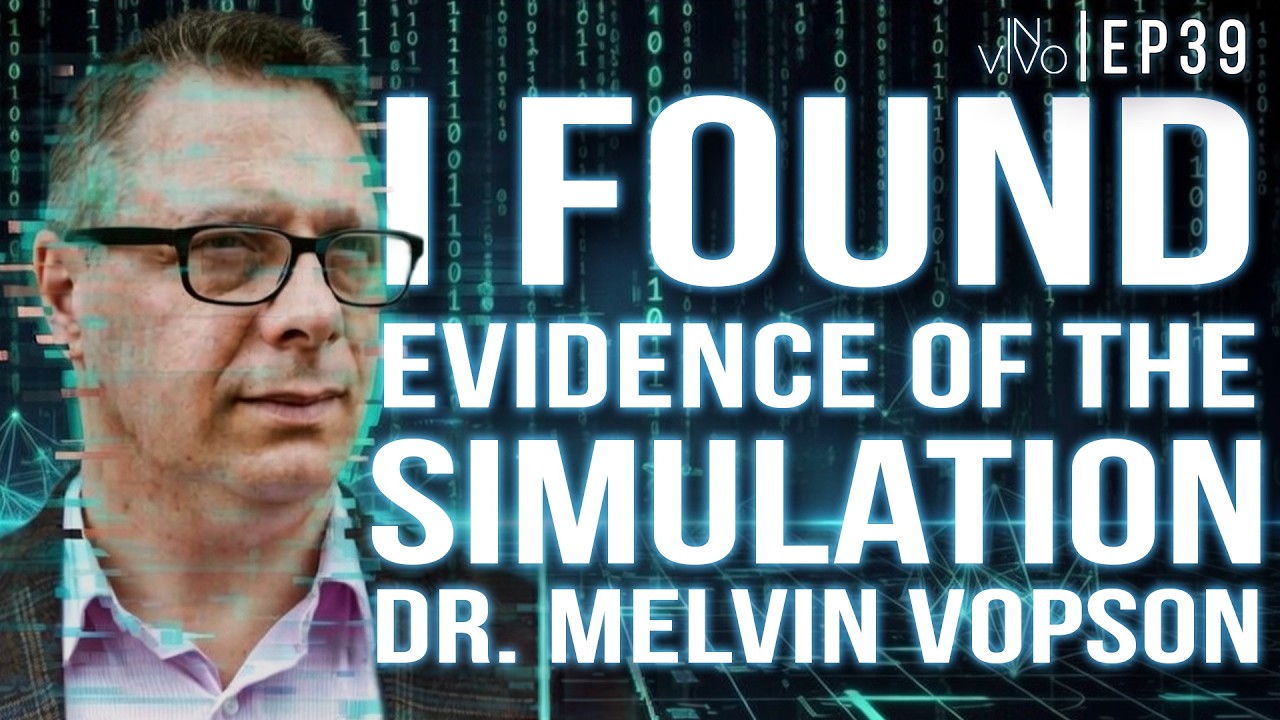
Episode 39 · 1:49:33
Dr. Melvin Vopson
A physicist's case that the universe behaves like a computation, and where the evidence stops.
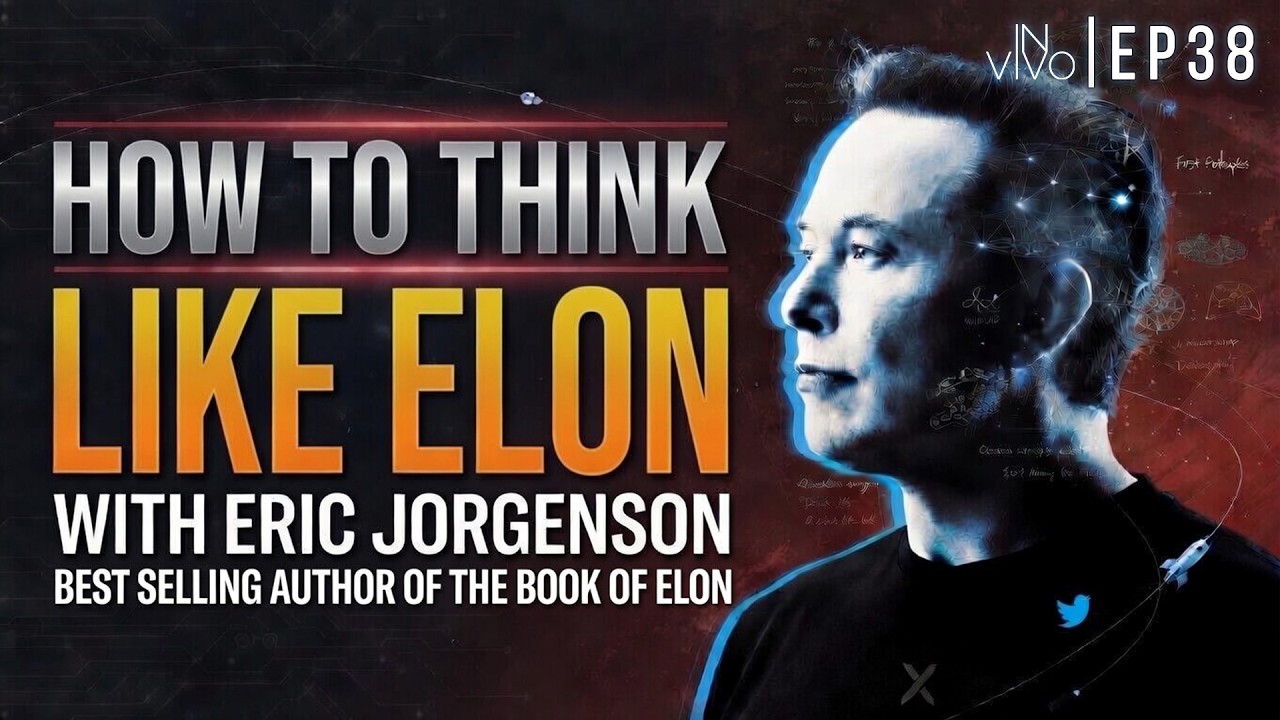
Episode 38 · 1:28:25
Eric Jorgenson
The working methods behind the companies, translated for a student.
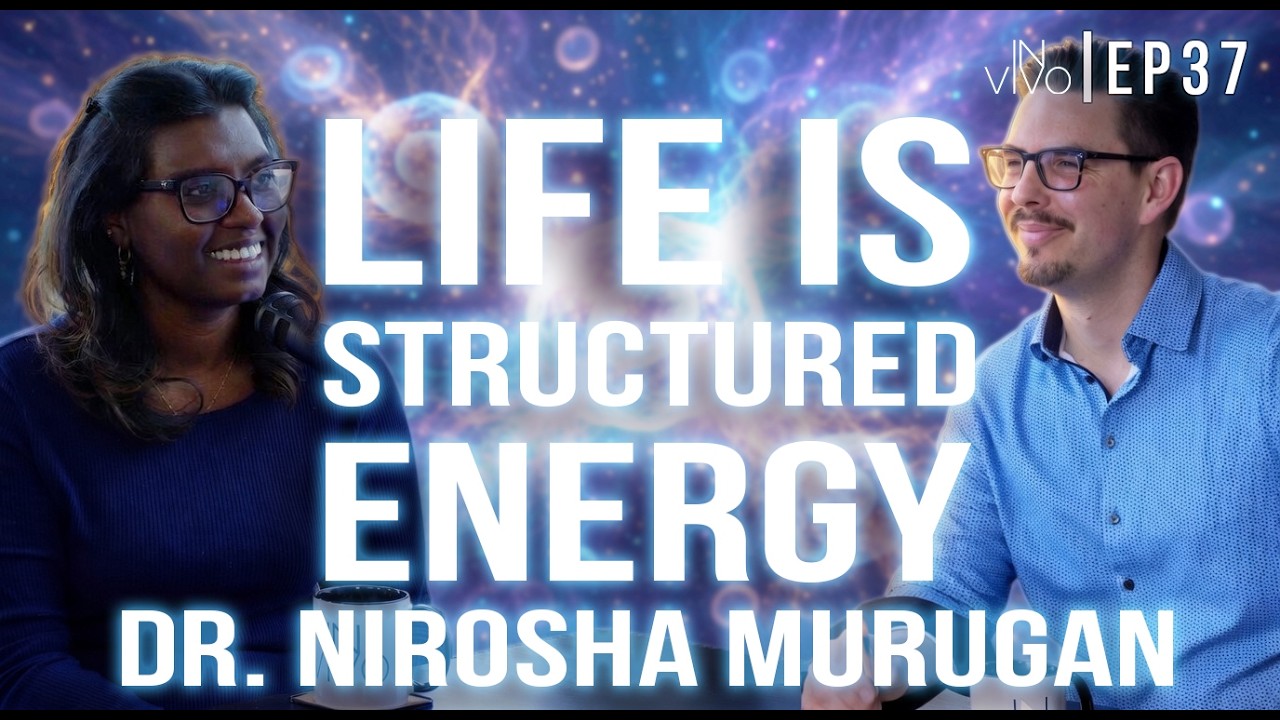
Episode 37 · 1:30:41
Dr. Nirosha Murugan
Energy, biophotons, and what a cell can do before it has a nervous system.
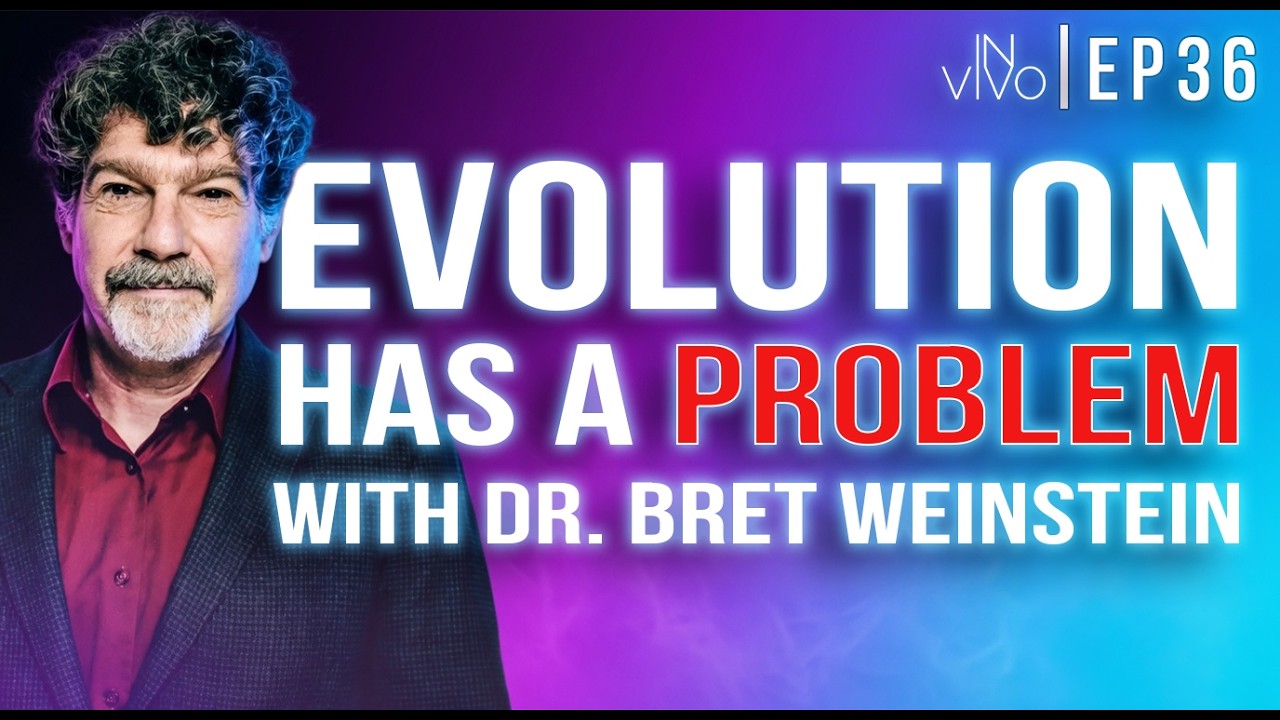
Episode 36 · 1:52:09
Dr. Bret Weinstein
Why standard evolutionary theory struggles with certain repeats in the genome.
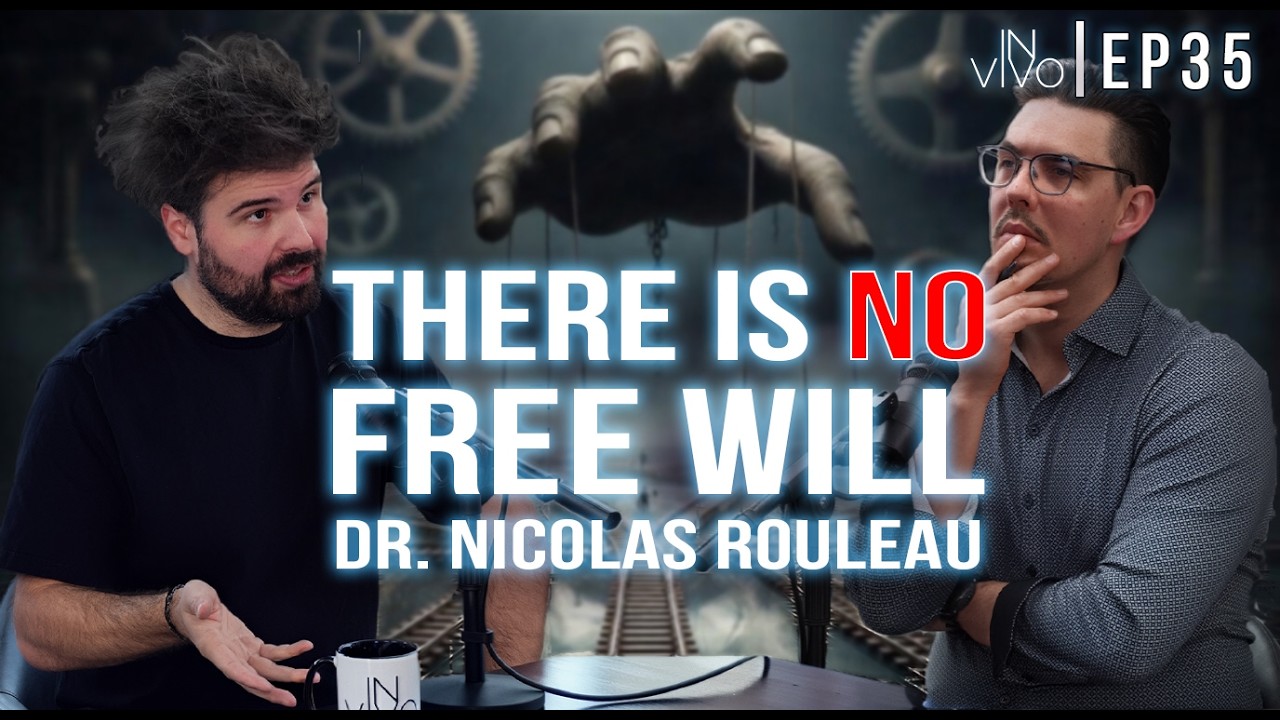
Episode 35 · 2:01:59
Dr. Nicolas Rouleau
The neuroscience case that free will is the wrong description of a decision.
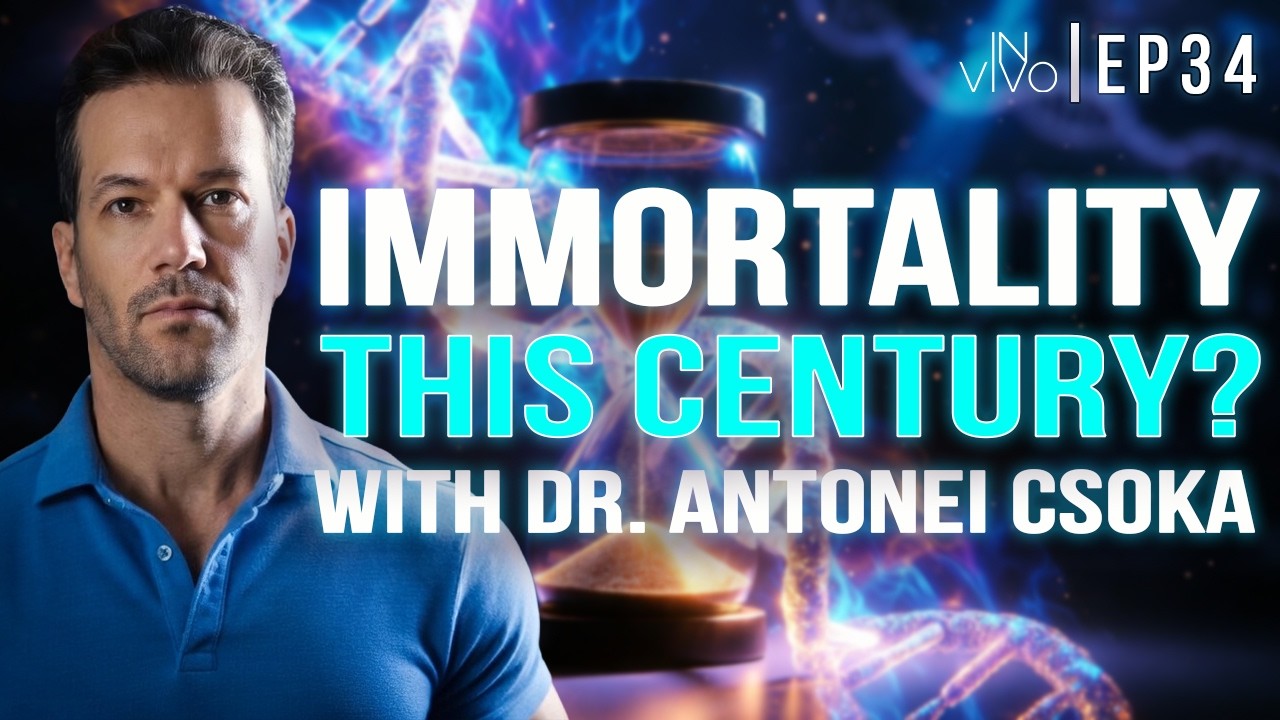
Episode 34 · 1:31:12
Dr. Antonei Csoka
What a disease of accelerated aging can tell us about whether aging can be slowed.
Episode 33 · 1:30:14
Dr. Chris Timmermann
What longer DMT experiences show about consciousness, entities, and ordinary perception.
Episode 32 · 1:44:49
Dr. Clarice Aiello
Whether the important steps in a living cell are quantum, not only classical chemistry.
Episode 31 · 1:37:31
Dr. Stuart Hameroff
The claim that consciousness is a quantum process inside the cell's microtubules.
Episode 30 · 2:32:55
Dr. Robert Malone
How mRNA technology was built, from the early lab work to the vaccines.
Episode 29 · 1:11:44
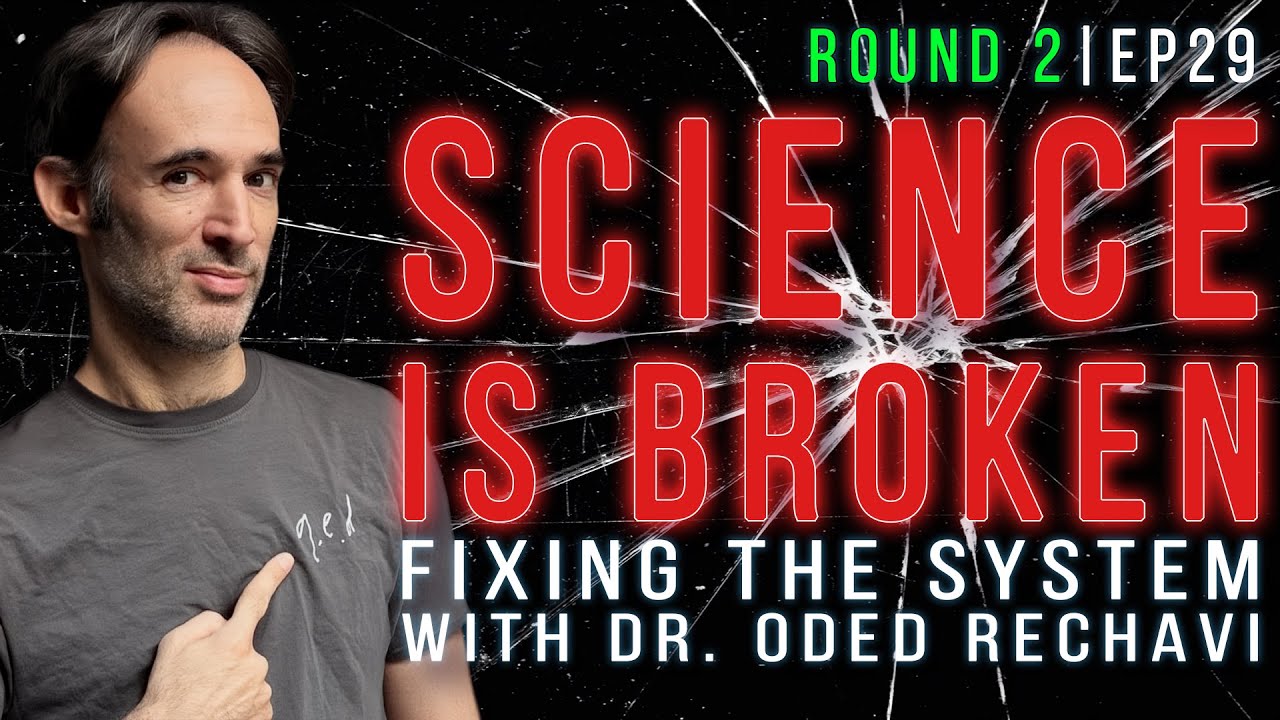
Dr. Oded Rechavi
Inherited memory, the Dead Sea Scrolls, and using AI to rebuild how science is done.
Episode 28 · 1:14:31
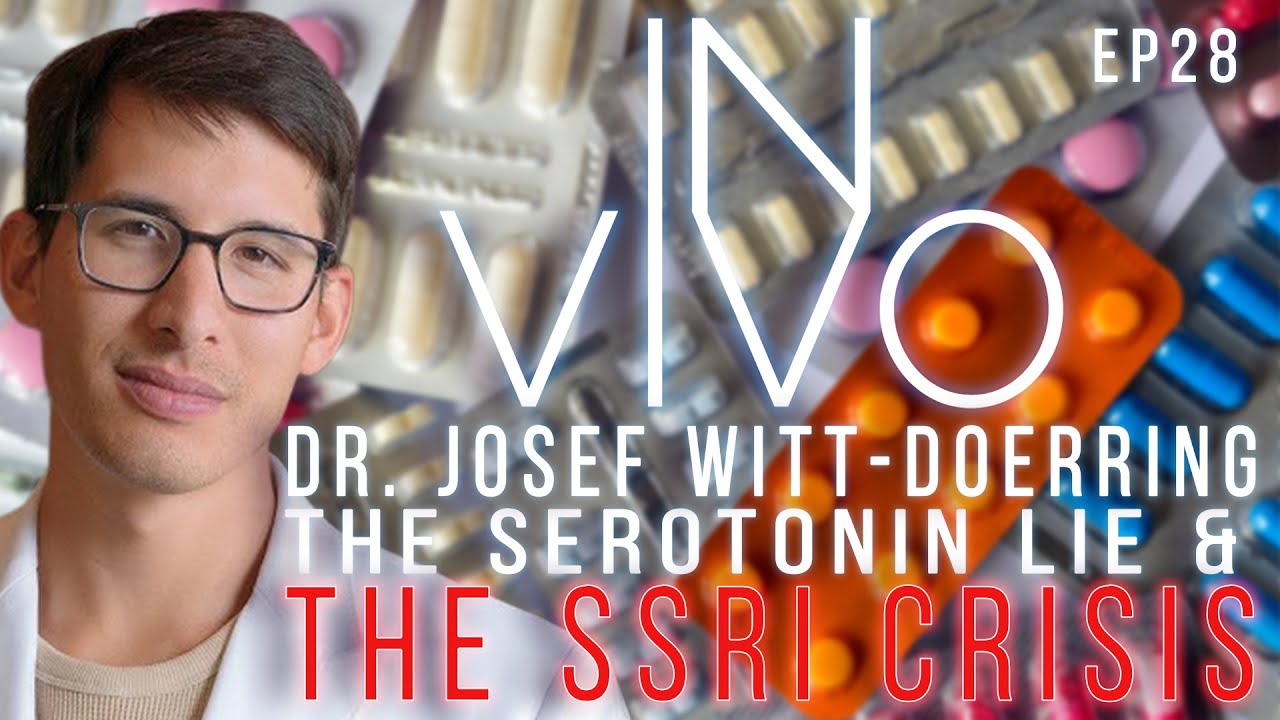
Dr. Josef Witt-Doerring
An FDA insider on the serotonin story and what went wrong with SSRIs.
Episode 27 · 1:13:19
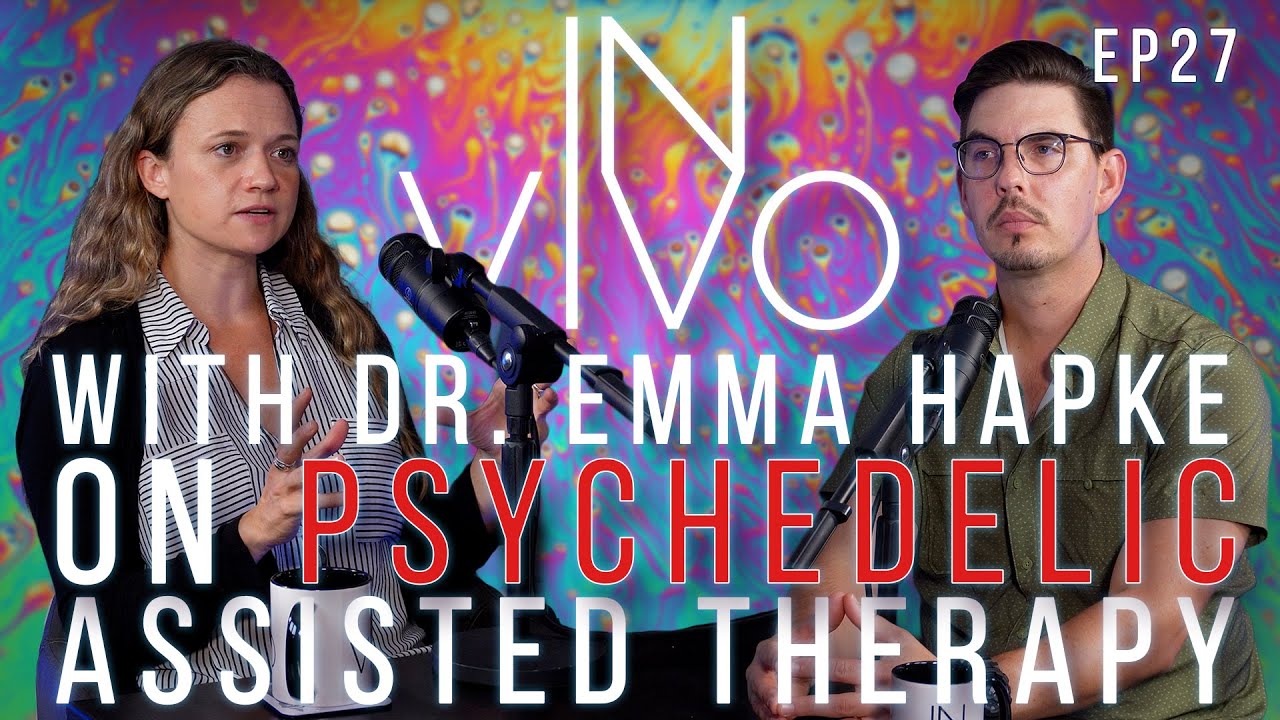
Dr. Emma Hapke
What psychedelic-assisted therapy can do, and where the claims run ahead of the evidence.
Episode 26 · 1:00:58
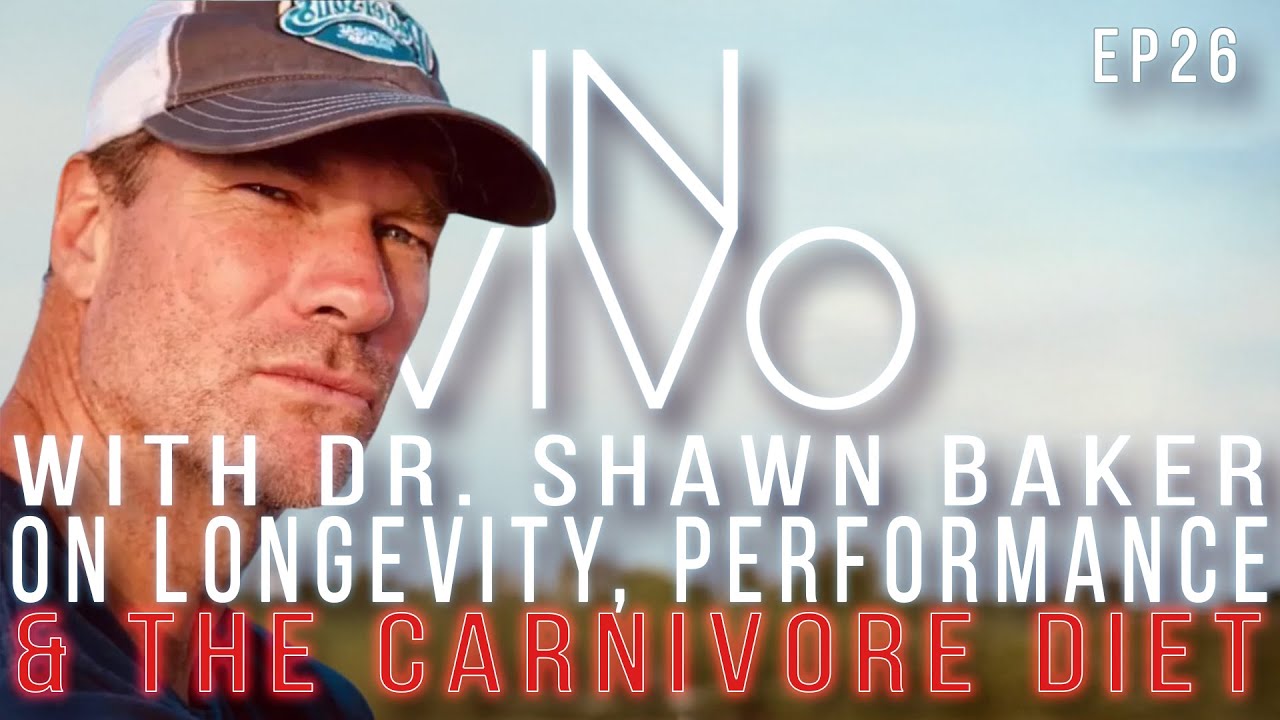
Dr. Shawn Baker
The carnivore diet, the criticism, and the case from the physician who helped start it.
Episode 25 · 1:11:41
Dr. Nicholas Fabiano
What the evidence says about exercise as a treatment for depression.
Episode 24 · 1:31:16
Dr. William Parker
The studies on acetaminophen and autism, read without the headline.
Episode 23 · 1:27:14
Dr. Tomas Duraj
Whether cancer is better approached as a problem of metabolism than of mutations alone.
Episode 22 · 1:16:01
Dr. Michael Mak
A practical account of sleep, and what actually changes rest and health.
Episode 21 · 1:30:08
Dr. Brandon Luu
Why creatine is suddenly everywhere, and what it does beyond the gym.
Episode 20 · 1:31:48
Dr. David Rosen
What flow state is, and how people get into it on purpose.
Episode 19 · 1:30:41
Dr. Matthew Szydagis
Dark matter, time, and what a physicist is willing to say about UAPs.
Episode 18 · 1:32:38
Dr. Scott Sandford
What the samples from asteroid Bennu contain, and why it matters for the origin of life.
Episode 17 · 1:41:25
Dr. James Scott
The fungal threats in medicine and agriculture that are getting harder to treat.
Episode 16 · 53:24
Dr. Andrea Choe
The case for using parasites as treatment, and the biology behind it.
Episode 15 · 1:12:27
Sally Adee
How the electrical signals in a body shape health.
Episode 14 · 1:03:09
Dr. Michael Levin
Whether living tissue can be reprogrammed by its electrical pattern, not only by its genes.
Episode 13 · 1:00:10
Dr. Oded Rechavi
Whether an experience can be passed to the next generation through more than DNA sequence.
Episode 12 · 1:30:04
Dr. Artem Babaian
How a search of public data found about 130,000 new viruses in a few days.
Episode 11 · 1:07:09
Dr. Stephanie Willerth
How close bioprinting is to making living human tissue.
Episode 10 · 52:48
Dr. Chris Mason
What humans would have to change to last the next 500 years.
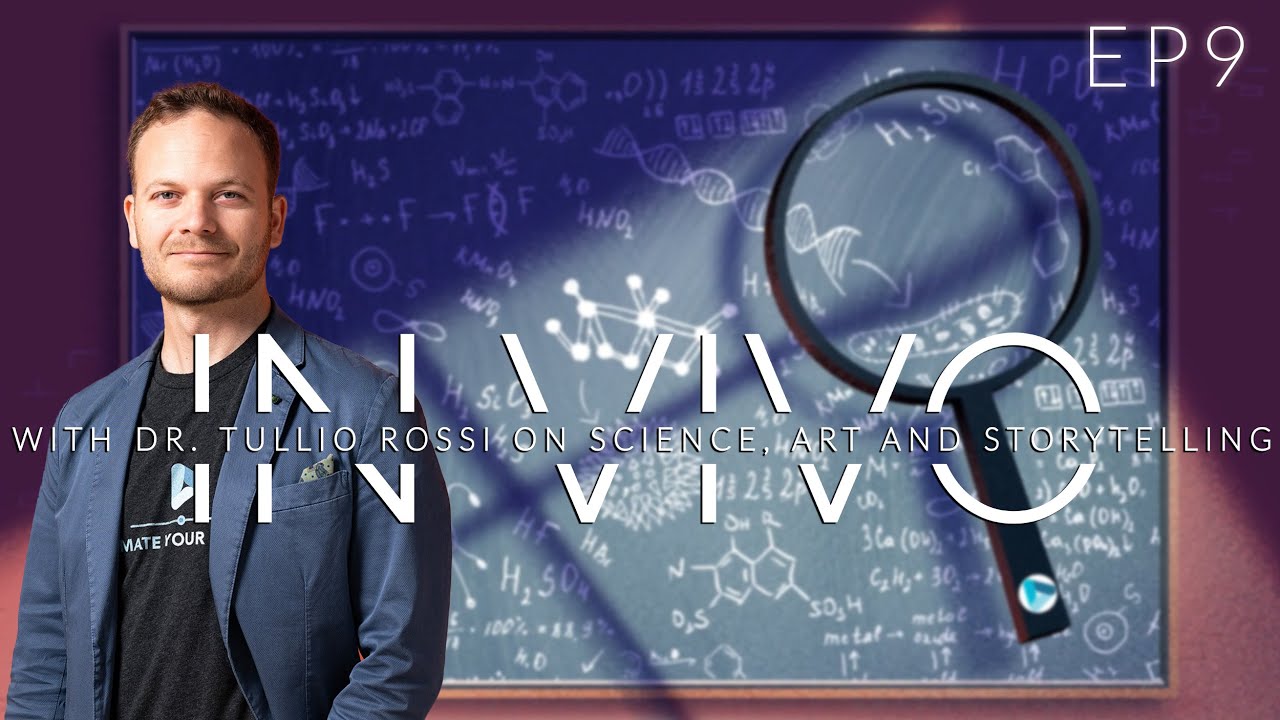
Episode 9 · 56:32
Dr. Tullio Rossi
Why the science is often fine and the explanation is what fails.
Episode 8 · 53:58
Dr. Charlie Bamforth
How brewing beer pushed the early steps of civilization, and of biotechnology.
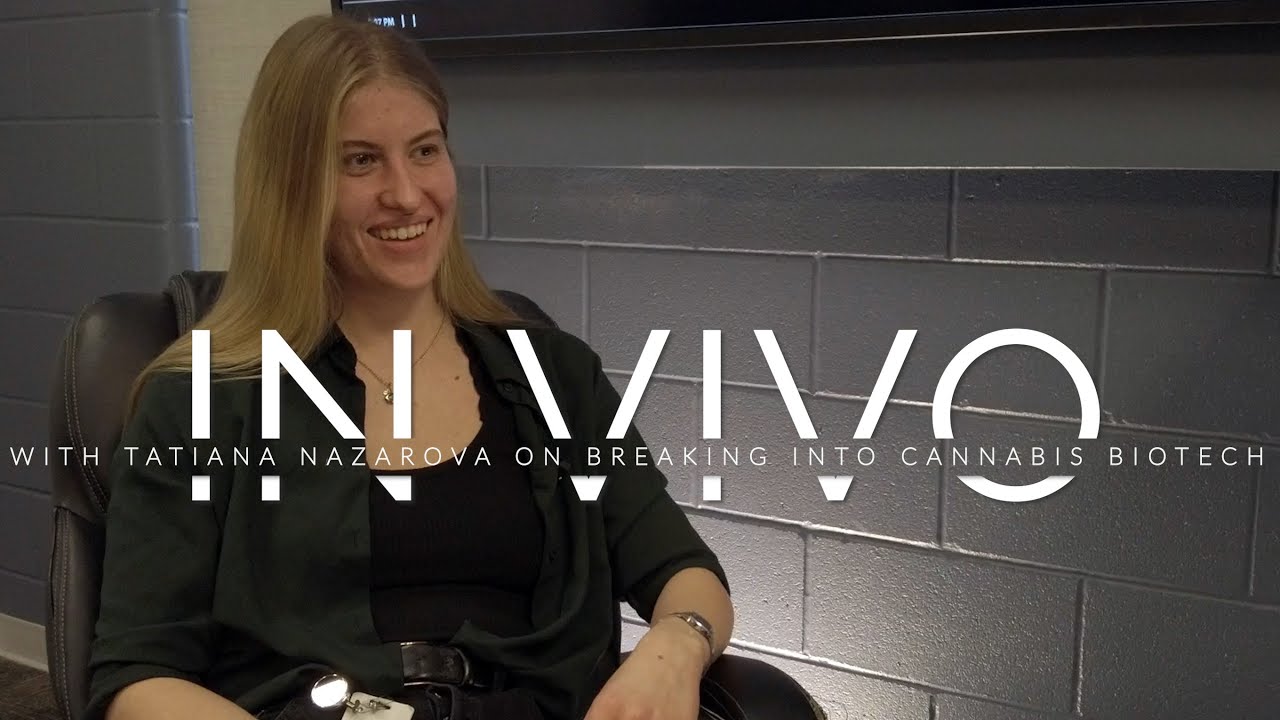
Episode 7 · 36:43
Tatiana Nazarova
What it takes to build a company in cannabis biotechnology.
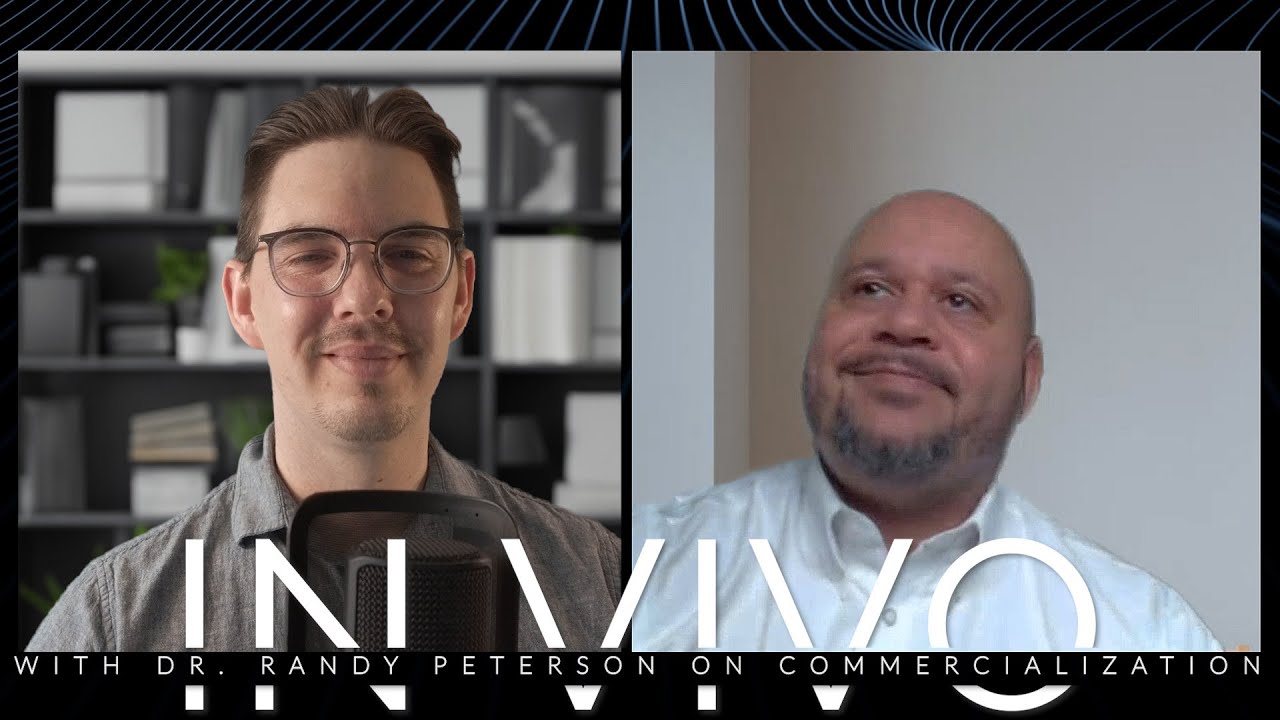
Episode 6 · 44:59
Dr. Randy Peterson
How a discovery in a lab becomes a product someone can buy.
Episode 5 · 37:36
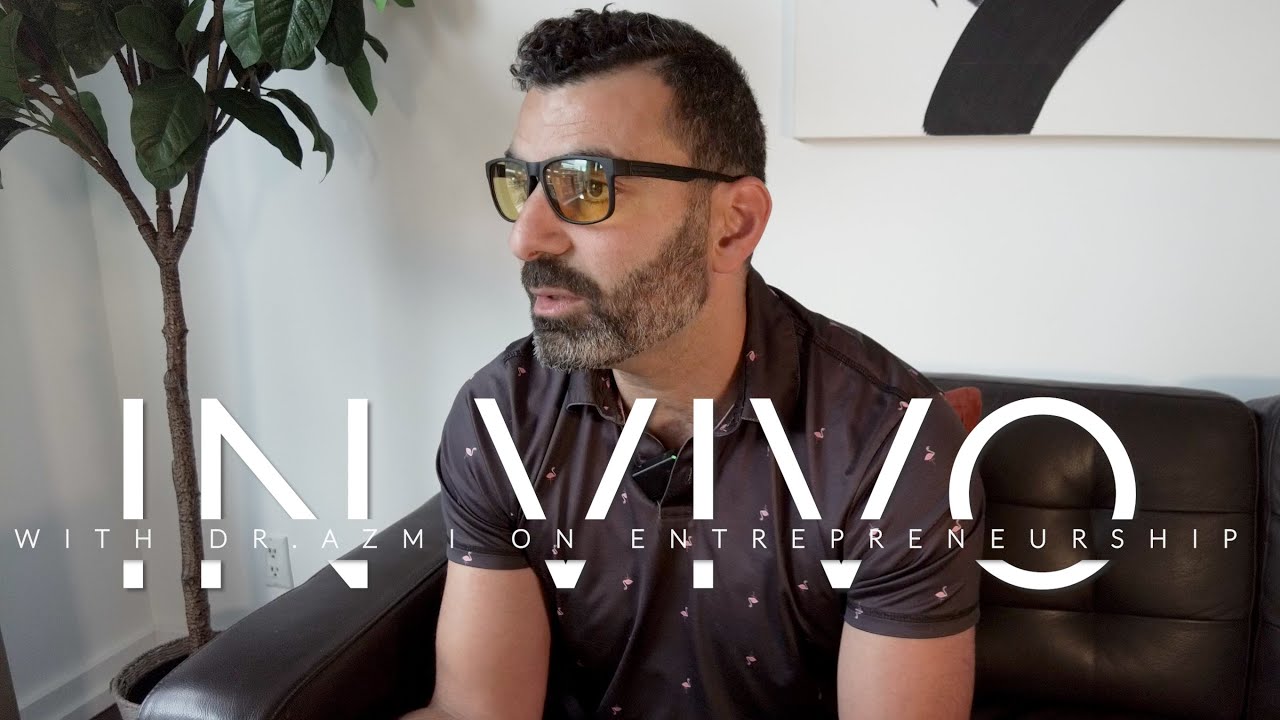
Dr. Peter Azmi
What starting a biotechnology company actually requires.
Episode 4 · 42:26
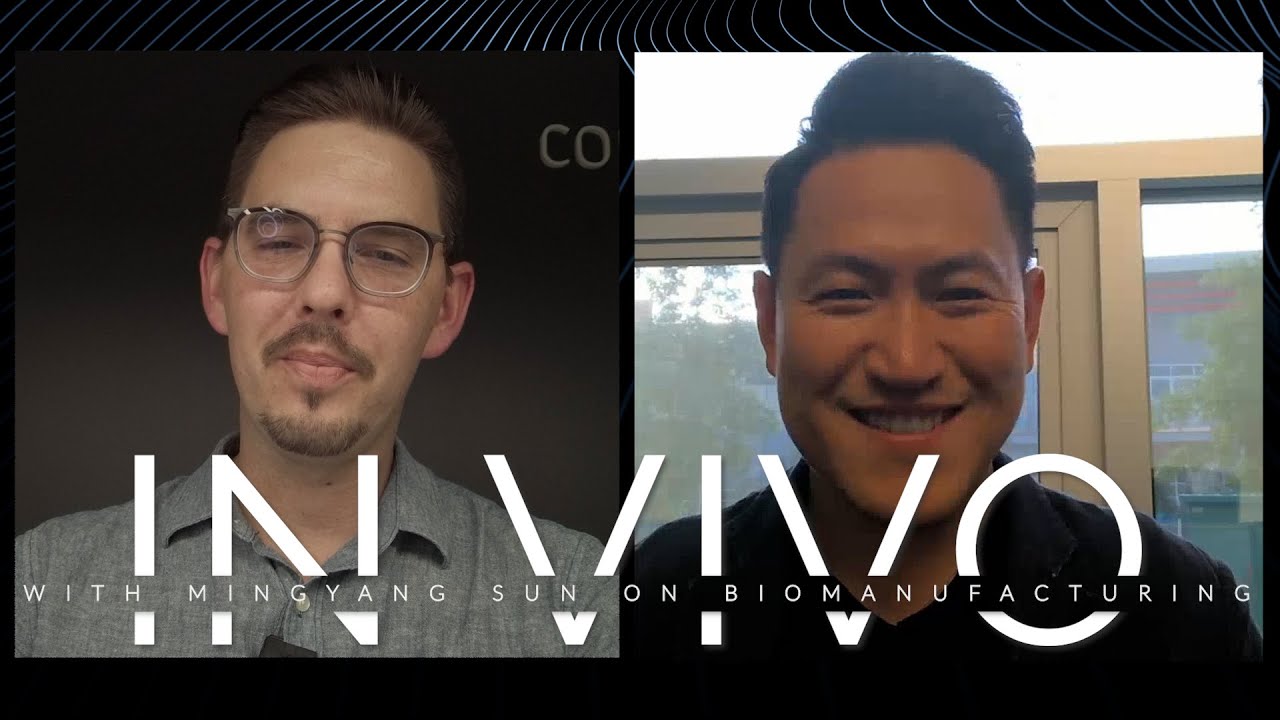
Mingyang Sun, MSc
How biomanufacturing works, and how a scientist becomes a founder.
Episode 3 · 43:33
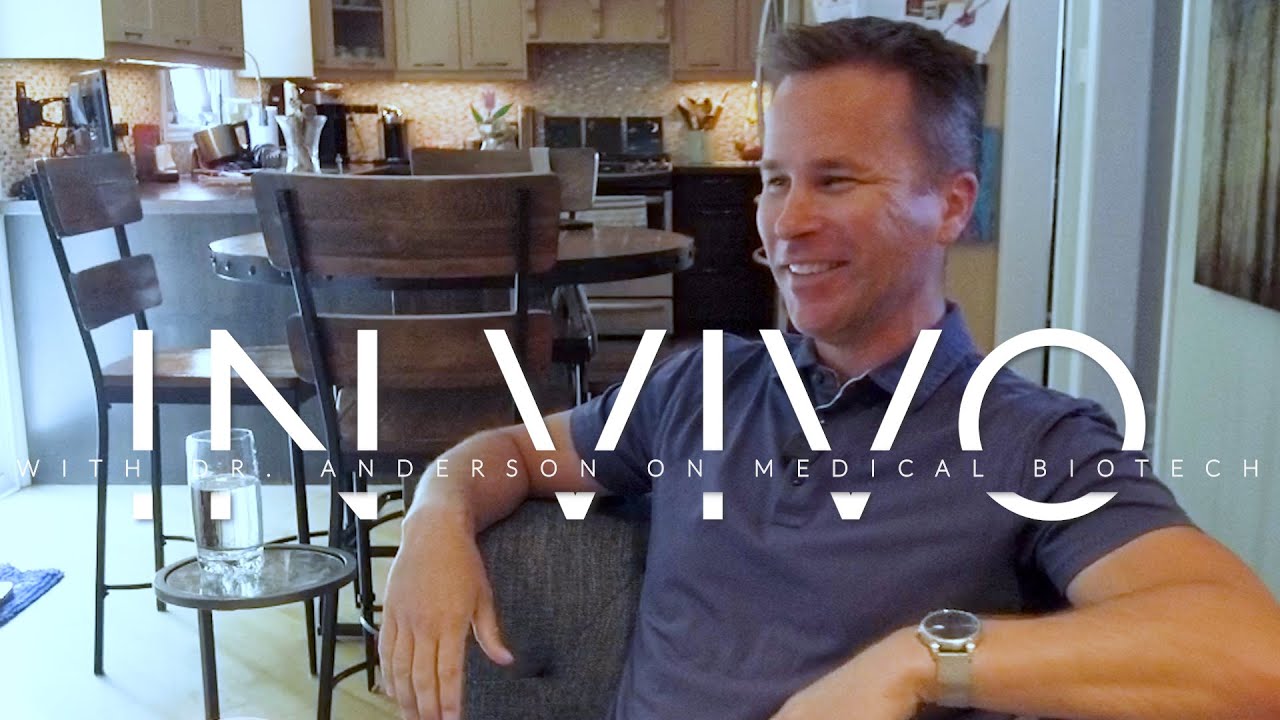
Dr. Gregory Anderson
What medical biotechnology is for, from the clinic side of the bench.
Episode 2 · 37:09
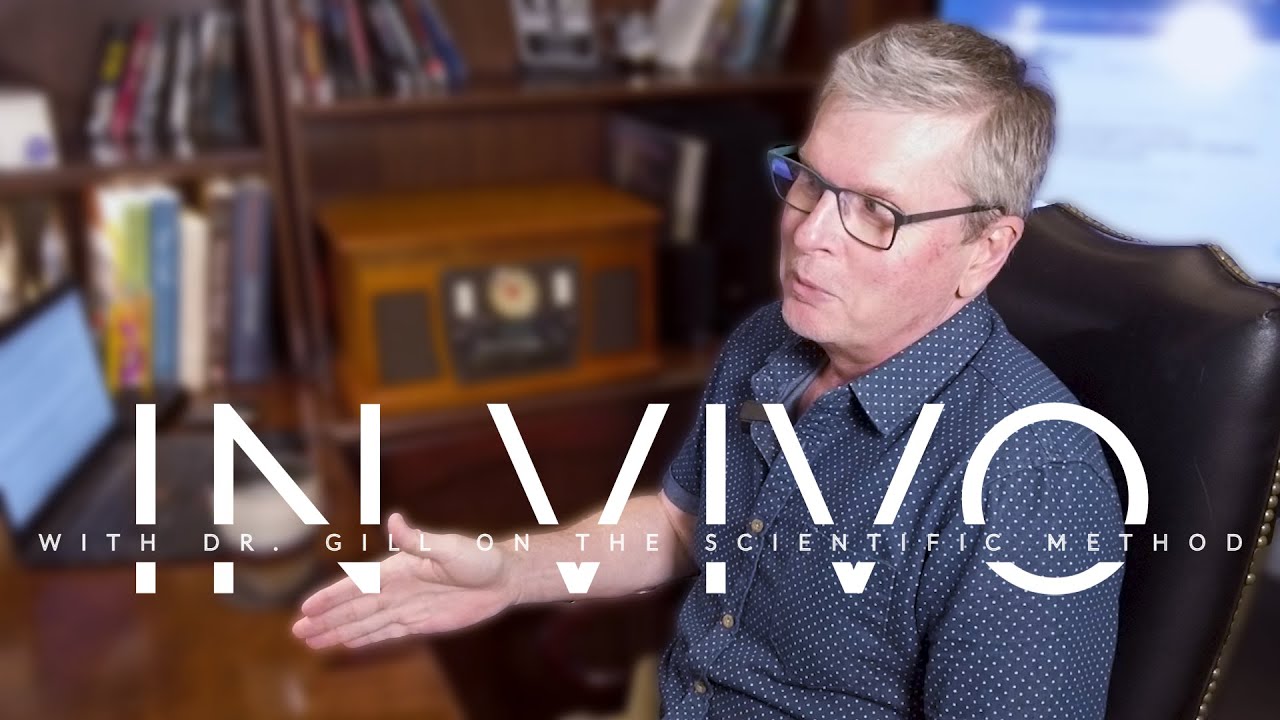
Dr. Monty Gill
How the scientific method works when you are the one running the experiment.
Episode 1 · 33:17
Dr. Kerry Bowman
The ethics questions that show up once a biological tool actually works.